
How Weather Impacts Your Asphalt and What to Do About It
February 5, 2026
Weather plays a major role in how long commercial asphalt lasts. Learn how sun, snow, and freeze–thaw cycles affect parking lots, drive lanes, and loading areas, plus a seasonal plan to keep your pavement performing.
Commercial asphalt is designed for traffic, and weather plays a major role in how long it lasts. Along Colorado’s Front Range, intense sun, spring storms, winter snow, and frequent freeze–thaw cycles all affect the surface and the base below it. With timely inspections and targeted maintenance, most weather-related wear can be managed well before it becomes a larger repair.
Below, we explain how weather affects asphalt and share a practical, season-by-season plan for keeping commercial parking lots, drive lanes, and loading areas in top condition.
Why Asphalt Changes With Weather
Asphalt is a blend of aggregate (stone) and asphalt binder (the material that holds it together). That binder expands, contracts, softens, and hardens depending on conditions:
- Cold makes asphalt more brittle, so cracks can spread faster.
- Heat softens asphalt, increasing scuffing and rutting in high-traffic areas.
- Water is the most important factor to manage, since it can move through cracks and into the base.
A smart asphalt and concrete maintenance plan focuses on two goals: keeping water out and slowing surface aging.
How Each Season Affects Asphalt
Freeze–Thaw Cycles and Cracks
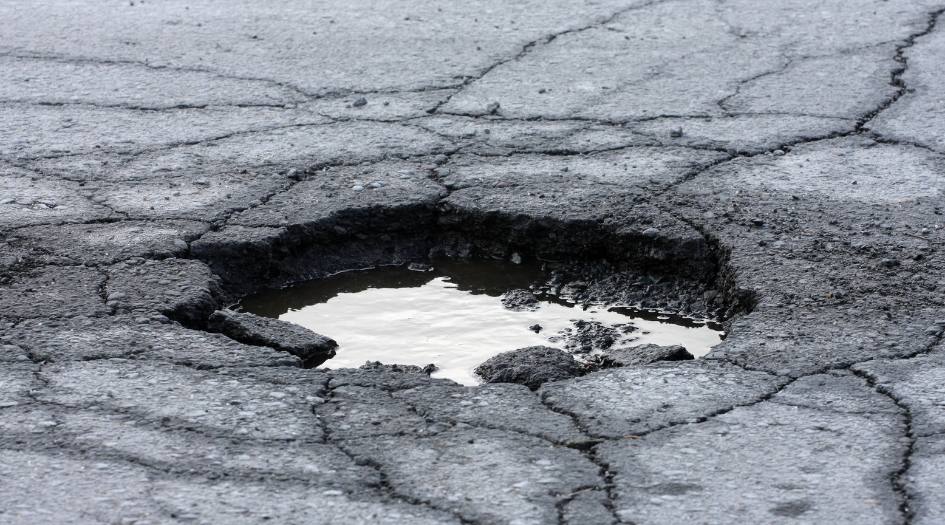
When water enters a crack and freezes, it expands and forces the crack wider. Repeated freeze–thaw cycles can turn small cracks into potholes, especially in wheel paths and near drains.
What to do
- Seal or fill cracks before winter and touch up in spring.
- Repair potholes promptly to keep water and traffic from enlarging them.
Snow, Ice, and Plowing: Managing Winter Wear
Commercial snow removal keeps your site safe and accessible, and a few simple practices keep plowing gentle on your pavement. De-icers can also keep areas wet, which adds freeze–thaw stress where water has nowhere to go.
What to do
- Use plow shoes and proper blade height to reduce scraping.
- Mark curbs, speed bumps, islands, and catch basins before snowfall.
- Apply de-icer responsibly and keep drains clear in “always wet” areas. Our guide to de-icing vs. sanding covers material choices by surface.
Heavy Rain and Standing Water: Keeping the Base Strong
Ponding water is a sign that water may be moving into the pavement structure. Over time, it can lead to depressions, edge wear, alligator cracking, and potholes.
What to do
- Keep catch basins and drains clear of debris.
- Repair low spots so water flows off the surface.
- Address edge wear early to keep water out from underneath the pavement.
Summer Heat and UV: Oxidation, Dryness, and Surface Wear
Sunlight oxidizes asphalt binder, making it dry and less flexible. Colorado’s high-altitude sun makes UV exposure especially strong. Heat also increases stress in turning zones, entrances, and loading areas where tires pivot, brake, and accelerate.
What to do
- Sealcoat on an appropriate cycle to reduce oxidation and protect the surface.
- Clean and treat oil spots, since petroleum can soften asphalt.
- Reinforce high-load zones with targeted repairs when needed.
Spring Thaw: A Time to Go Easy on Pavement
In early spring, the base below your asphalt may stay saturated as it thaws. Heavy vehicles can cause rutting, cracking, or new potholes during this window, especially where water collects.
What to do
- Inspect delivery routes, dumpster pads, and loading zones.
- Repair depressions and potholes promptly to keep water from collecting.
Seasonal Signs to Watch For
After Winter
- New cracks, widened cracks, or fresh potholes
- Plow scrapes, chipped edges, or damaged curbs
- Heaved or settled areas that create uneven walking surfaces
Spring and Summer
- Ponding water after rain
- Alligator cracking (often a sign of base issues)
- Raveling (loose stones) in high-traffic areas
Fall
- Cracks that need sealing before freeze–thaw returns
- Drains filled with leaves and debris
- Faded line striping before winter visibility matters most
What to Do About It: A Practical Asphalt Maintenance Plan
1) Crack Sealing and Crack Filling
Crack repair is one of the highest-value ways to extend pavement life because it keeps water out of the pavement structure.
Best practices:
- Prioritize cracks in wheel paths, near drains, and along pavement edges.
- Repair cracks while the pavement is clean and dry.
2) Pothole Repair
Prompt pothole repair keeps traffic moving smoothly and protects the surrounding pavement.
- In winter, temporary patching can restore smooth access.
- For long-term results, repairs should be properly cut, cleaned, and compacted, especially where the base needs attention.
If the same pothole returns, the cause is usually below the surface and calls for a deeper repair.
3) Sealcoating
Sealcoating helps shield asphalt from UV exposure, water, and everyday wear. It also improves curb appeal and creates a uniform look across your lot.
To get the best results:
- Pair sealcoating with crack repair, since sealcoat doesn’t fill cracks on its own.
- Plan for line striping after sealcoating so your site stays clear and compliant.
Fresh striping also improves traffic flow, accessibility, and visibility, especially during darker winter months.

4) Targeted Structural Repairs When Needed
Some areas see far more stress than others, such as loading docks, dumpster enclosures, main drive lanes, and low spots where water collects. When surface treatments aren’t enough, options include:
- Infrared asphalt repair
- Asphalt remove and replace
- 2-inch mill and overlay (when conditions are right)
When to Schedule Asphalt Work
Weather affects the success of repairs. In general, commercial asphalt work performs best when the pavement is dry and temperatures are mild to warm.
- Crack sealing and filling: commonly spring and fall
- Sealcoating: typically late spring through early fall
- Patching and paving: usually warmer months for best compaction and bonding
Planning ahead makes it easier to schedule work around tenants, deliveries, and peak business hours.
The Long-Term Value of Proactive Maintenance
Most major asphalt repairs start small: a crack, a low spot, or an area where water collects. Addressing these early keeps repairs simple and your lot fully in service. A proactive plan helps you:
- Extend pavement life
- Keep repairs planned and predictable
- Maintain a professional, safe first impression
FAQ: Weather and Asphalt
How often should a commercial parking lot be sealcoated?
It depends on traffic and exposure, but many lots benefit from a repeating cycle every few years. An inspection can confirm the right timing.
Can asphalt be repaired in winter?
Temporary repairs like pothole patching can be performed in cold weather, and permanent repairs are best scheduled for warmer, dry conditions.
Does salt damage asphalt?
Salt doesn’t typically dissolve asphalt, but it can add moisture and freeze–thaw stress where water collects. Crack sealing and clear drains help most.
What’s the best way to prevent potholes?
Seal cracks, keep water flowing off the surface, and repair small defects before winter. Keeping water out is the single biggest factor.
Keep Your Asphalt Performing Season After Season
Since 1986, Martinson Services has supported commercial properties across the Denver metro from our locations in Thornton and Sheridan, with parking lot maintenance built around local conditions and real-world site demands. If you’re seeing cracks, ponding water, potholes, or fading surfaces, a professional assessment can identify what to address now, what can be scheduled, and what will deliver the best long-term value.
Contact us to plan crack sealing, pothole repair, and sealcoating, or request a free quote. You can also explore our year-round commercial property maintenance programs.

Martinson creates custom maintenance plans tailored to each client’s situation with the most qualified operators and advanced equipment delivering exceptional service.
EXPLORE
CONTACT
NEWLETTER
Sign up for our latest news & articles. We won’t give you spam mails.